
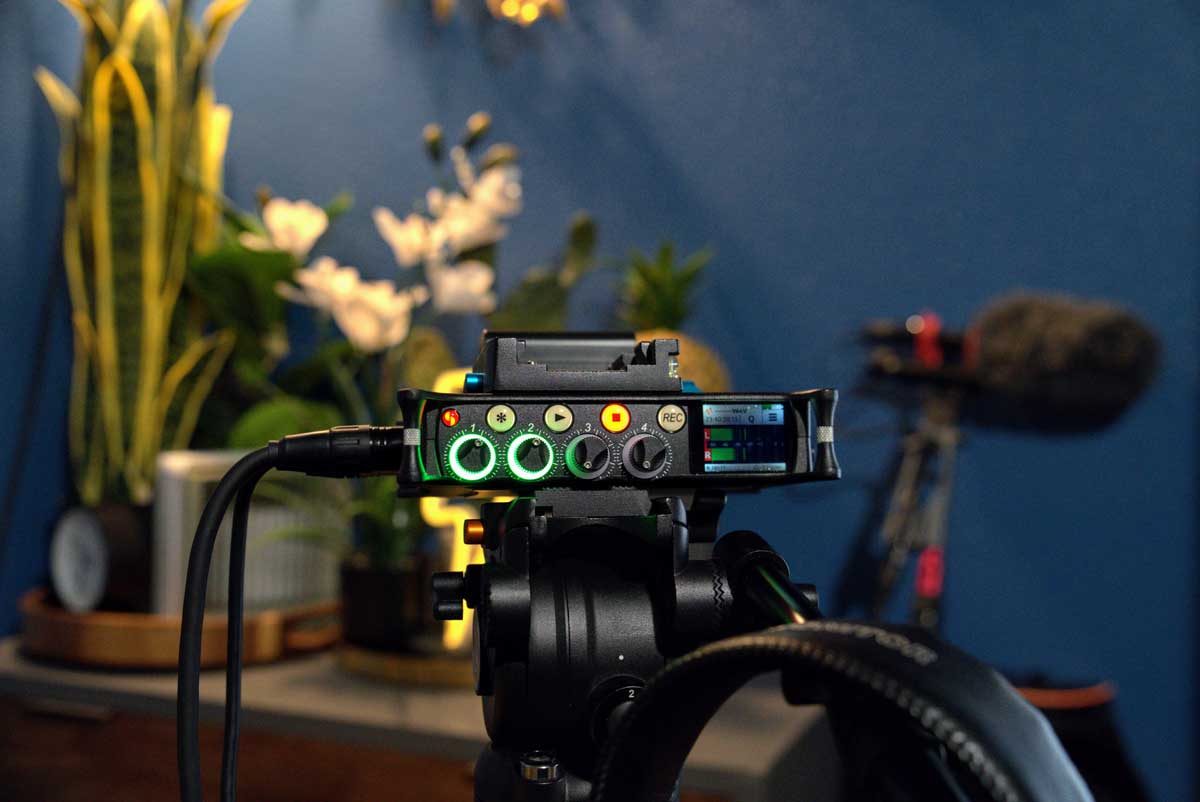
Beautiful footage is instantly undermined if the sound is distorted or poorly mixed. Eh, looks good... sounds BAD.
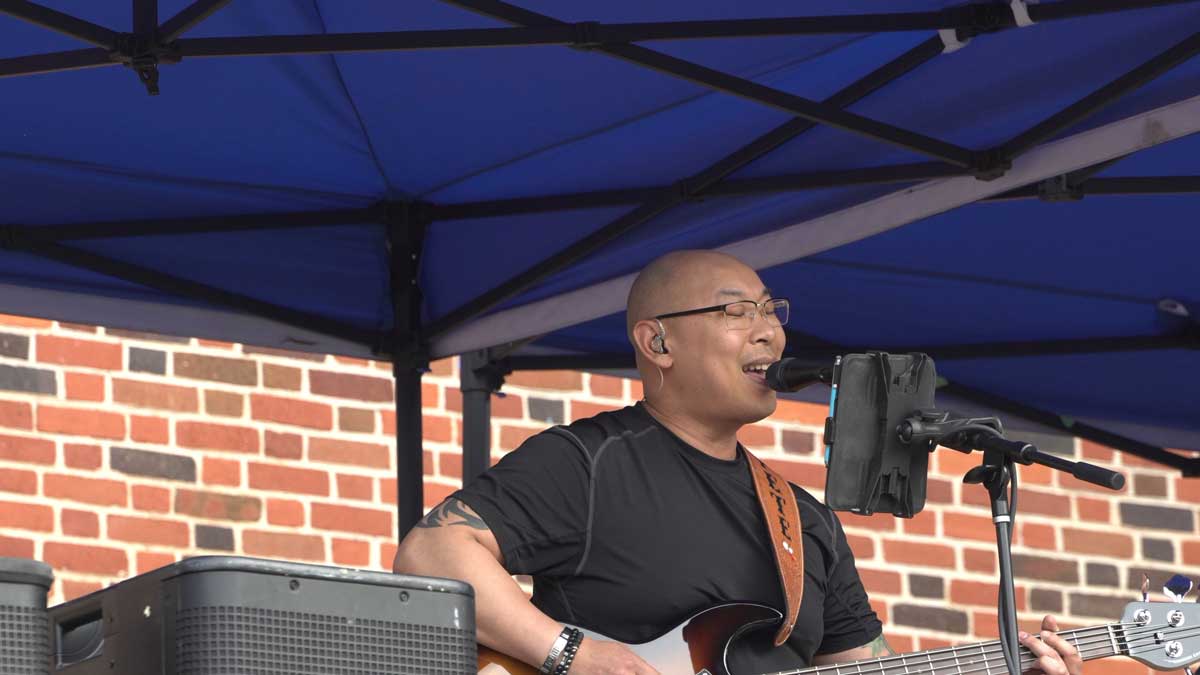
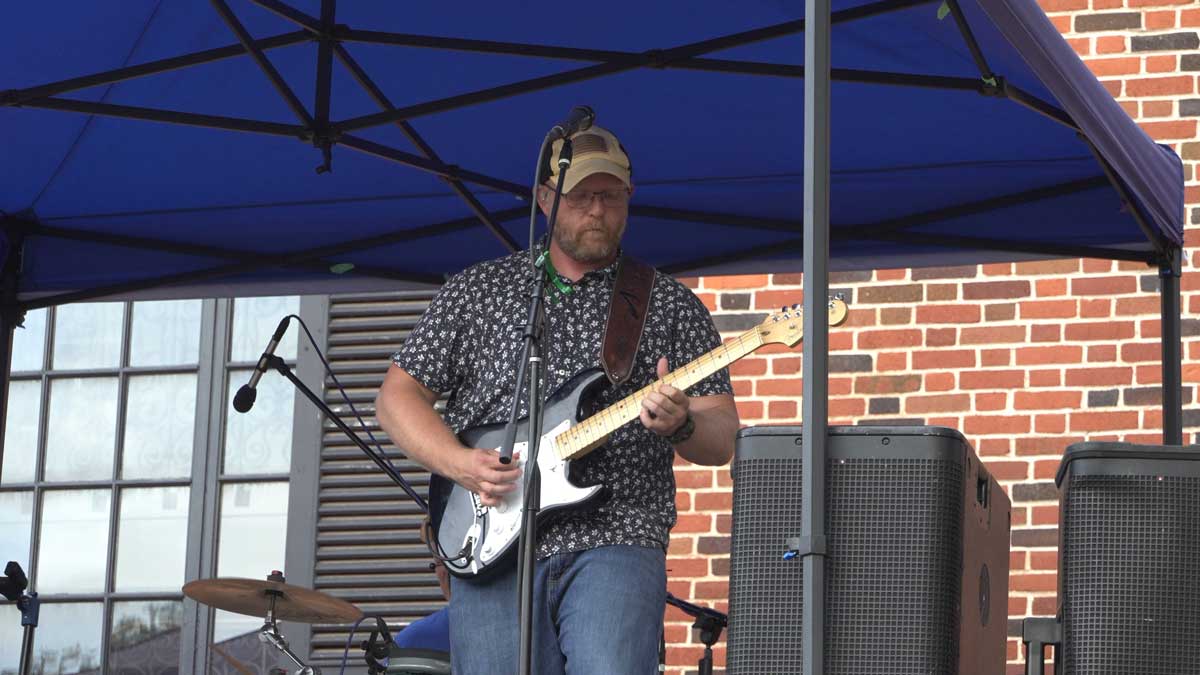
In the fast-paced world of high-end commercial video production, there is a fundamental truth that separates amateur content from professional deliverables: audio is at least half of the viewing experience. At Lightning Bilt Creative Studio, navigating the chaotic acoustic environments of live events requires strategic decision-making. When capturing the essence of events, from roaring automotive showcases to energetic live bands like The Croakin Toads, unpredictable volume spikes are a constant threat. This is exactly where the strategic deployment of both 32-bit float and traditional 24-bit audio formats becomes essential to our production workflow.

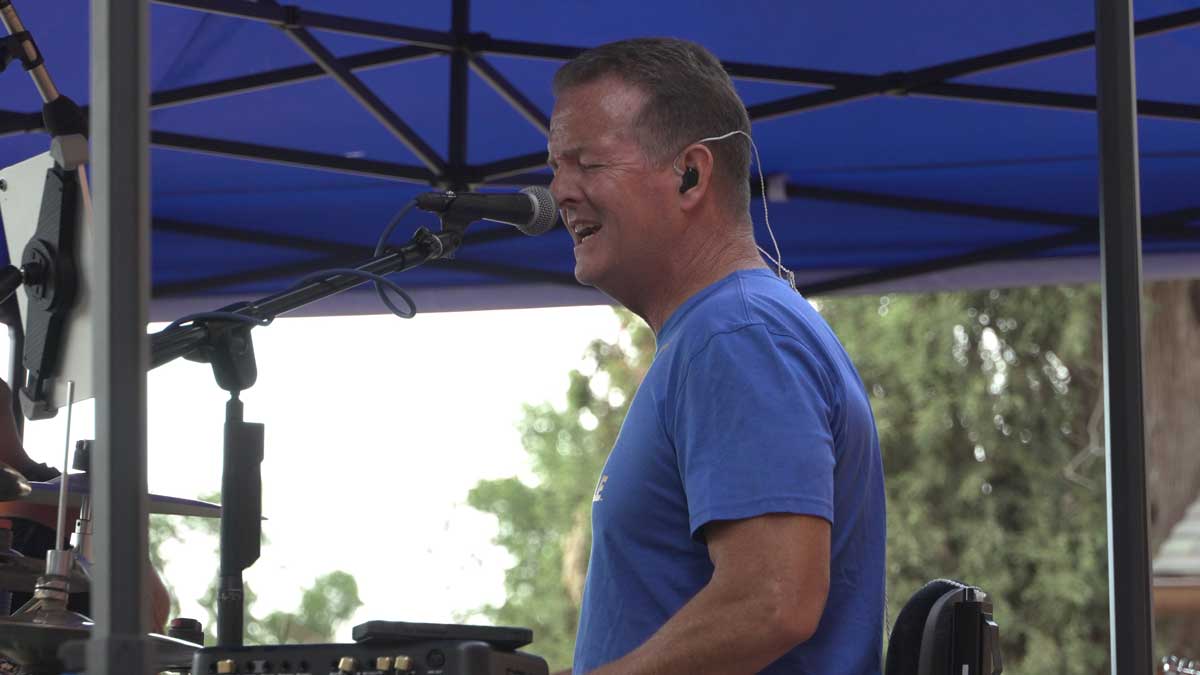
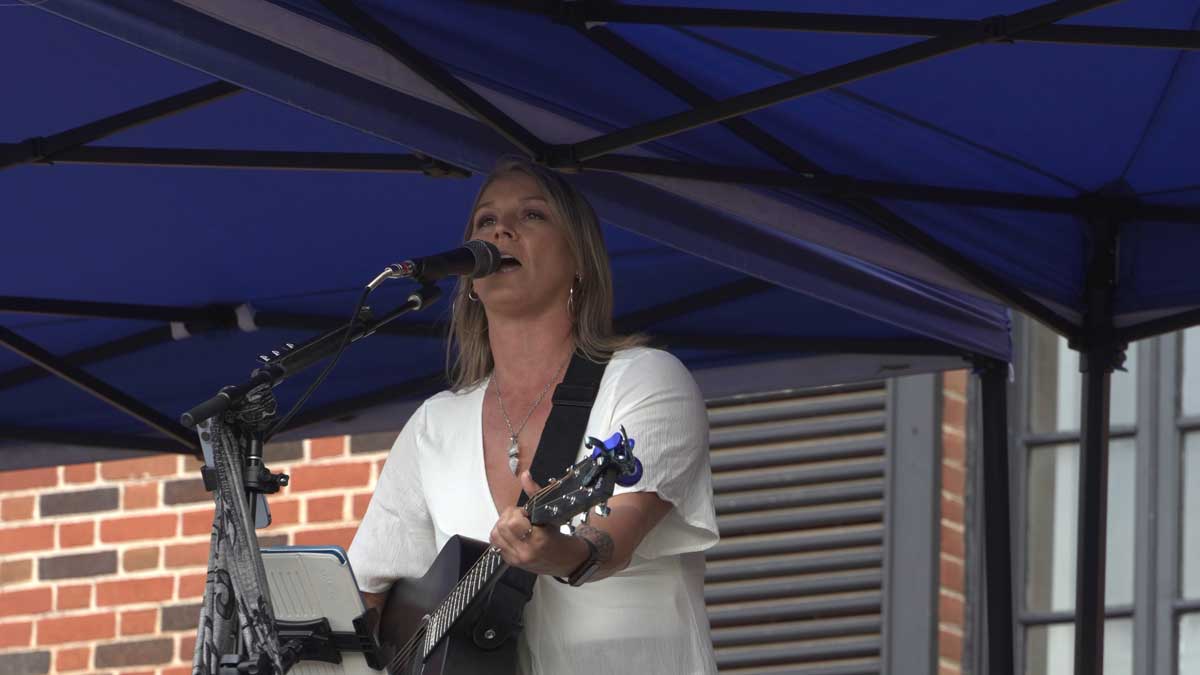
The Unforgiving Nature of Live Event Audio
Live events do not offer the luxury of a second take. A sudden burst of laughter, a spontaneous engine rev, or a lead singer screaming into a microphone can instantly overload a standard audio signal. Traditionally, production teams had to ride the gain levels perfectly, acting defensively to ensure audio never hit the dreaded digital ceiling. If the audio clips in a 24-bit environment, that data is permanently destroyed. For run-and-gun event videography, this constant anxiety over audio levels can distract from capturing the visual story.
The Magic and Power of 32-Bit Float
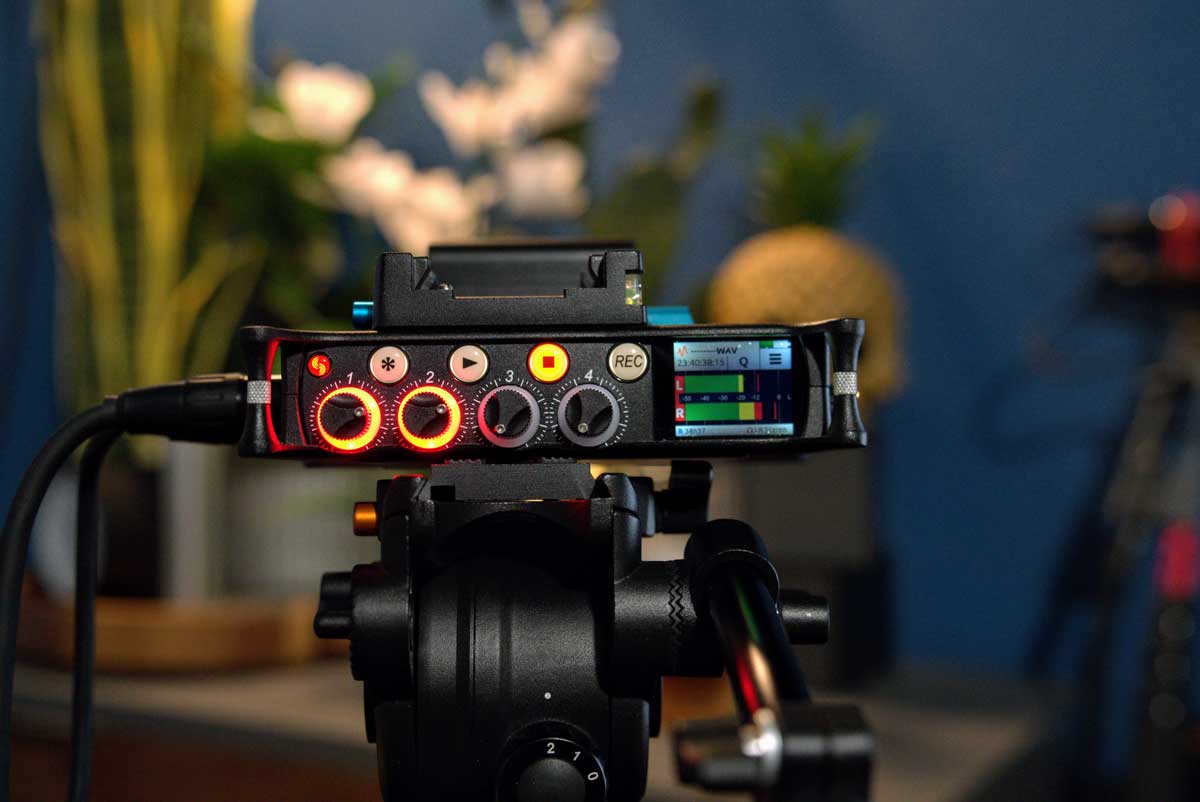
For environments characterized by drastic and unpredictable volume shifts, 32-bit float audio serves as an indispensable safety net. Unlike standard formats, 32-bit float possesses a massive dynamic range that essentially eliminates digital clipping at the recording stage. It forgives unexpected sound pressure peaks, allowing post-production recovery of audio that would otherwise be permanently distorted.
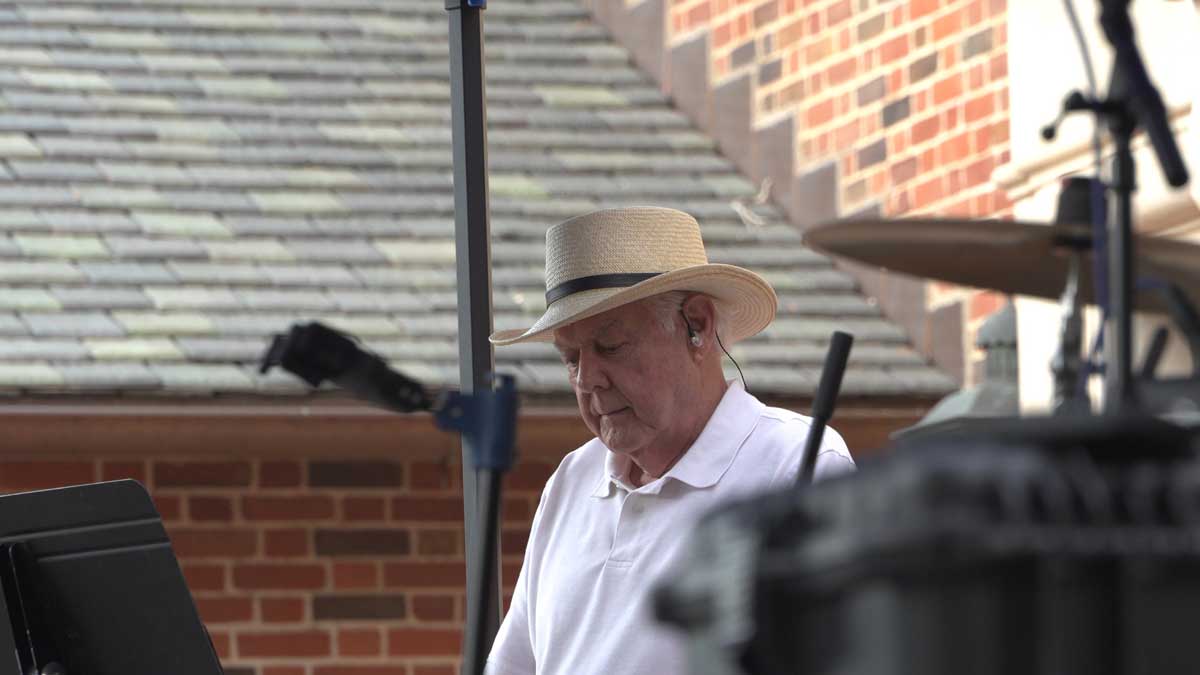
At Lightning Bilt Creative Studio, we rely heavily on 32-bit float for extreme environments. Capturing live music requires a format that can handle the explosive transients of a drum kit alongside quiet acoustic passages. Utilizing a Sound Devices MixPre-6 II audio recorder with 32-bit enabled paired with Rode M5 microphones ensures every dynamic shift of a live band is captured cleanly and accurately. The Sound Devices MixPre-6 II is a 6-channel, 8-track portable field recorder, audio mixer, and USB audio interface that can record 32-bit audio. The M5 microphones are high-quality matched pair of small-diaphragm condenser microphones for recording stereo or individual sounds.
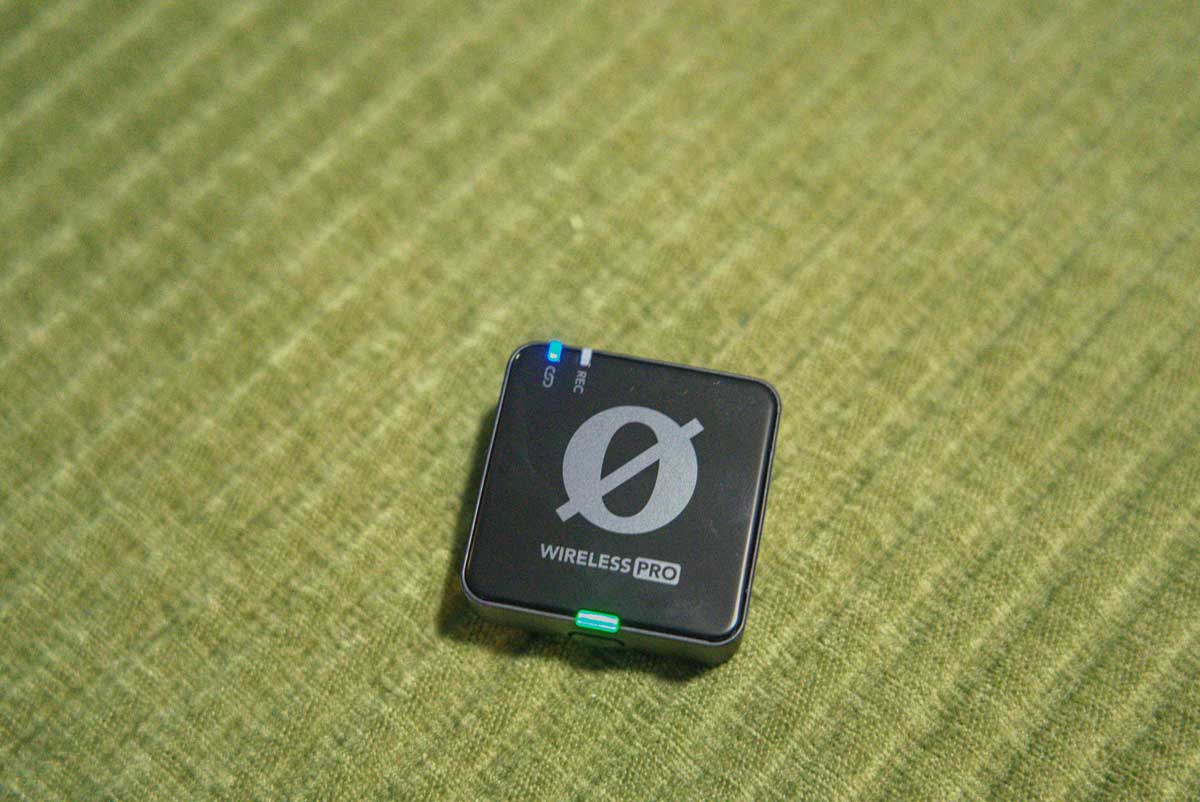
Similarly, automotive exhibitions present a unique acoustic challenge. Running Rode Wireless Pro microphones in 32-bit float guarantees pristine, unclipped audio, even when high-horsepower cars and custom motorcycles are aggressively revving right next to the microphone capsule. The peace of mind this provides allows our camera operators to focus entirely on framing, knowing the audio is secure.
Why 24-Bit Audio Remains an Industry Standard
Despite the revolutionary advantages of 32-bit float, 24-bit audio is far from obsolete. It provides 144 dB of dynamic range, which is more than enough headroom for standard, controlled recording applications. Furthermore, 24-bit audio files are smaller, require less processing power, and integrate seamlessly into faster turnaround workflows.
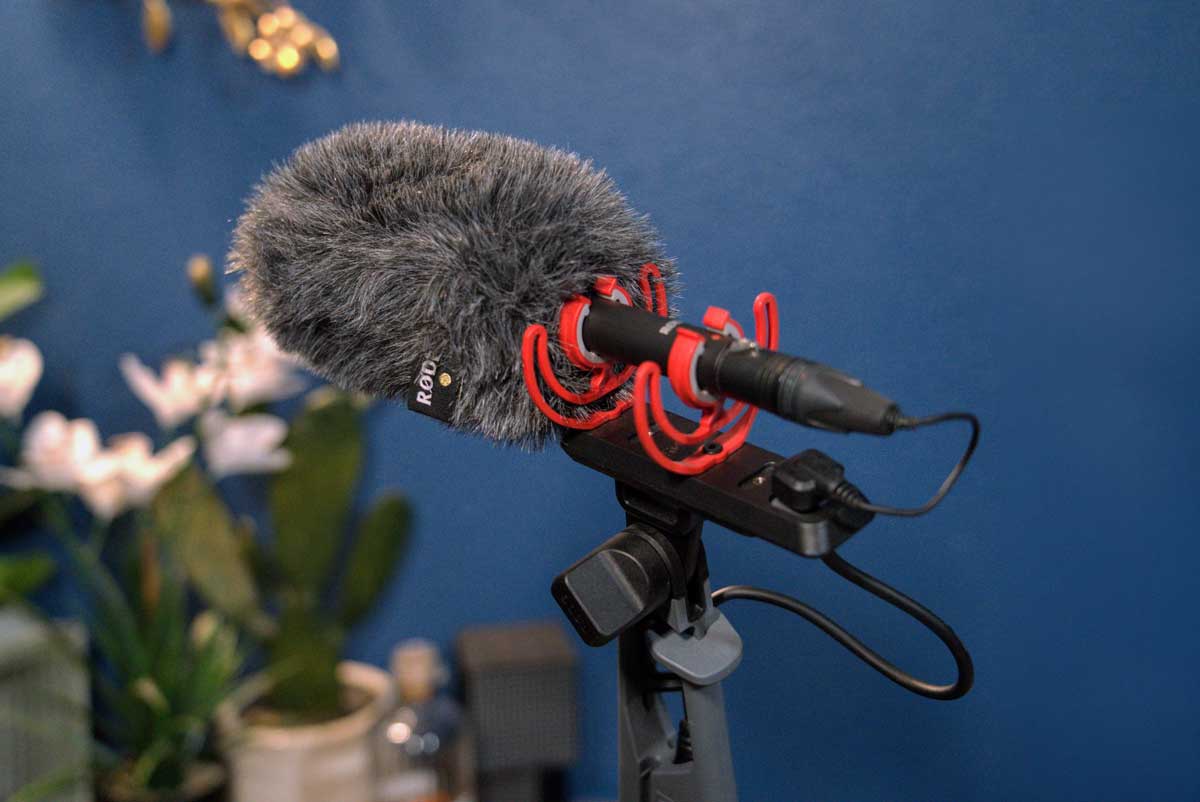
When the acoustic environment is predictable, 24-bit remains a highly efficient choice. If the primary task at an event is recording a keynote speaker at a podium with a powered microphone, utilizing a Rode NTG5 shotgun mic in 24-bit recording environment is perfect. As long as the gain is leveled appropriately, the recording will sound flawless.
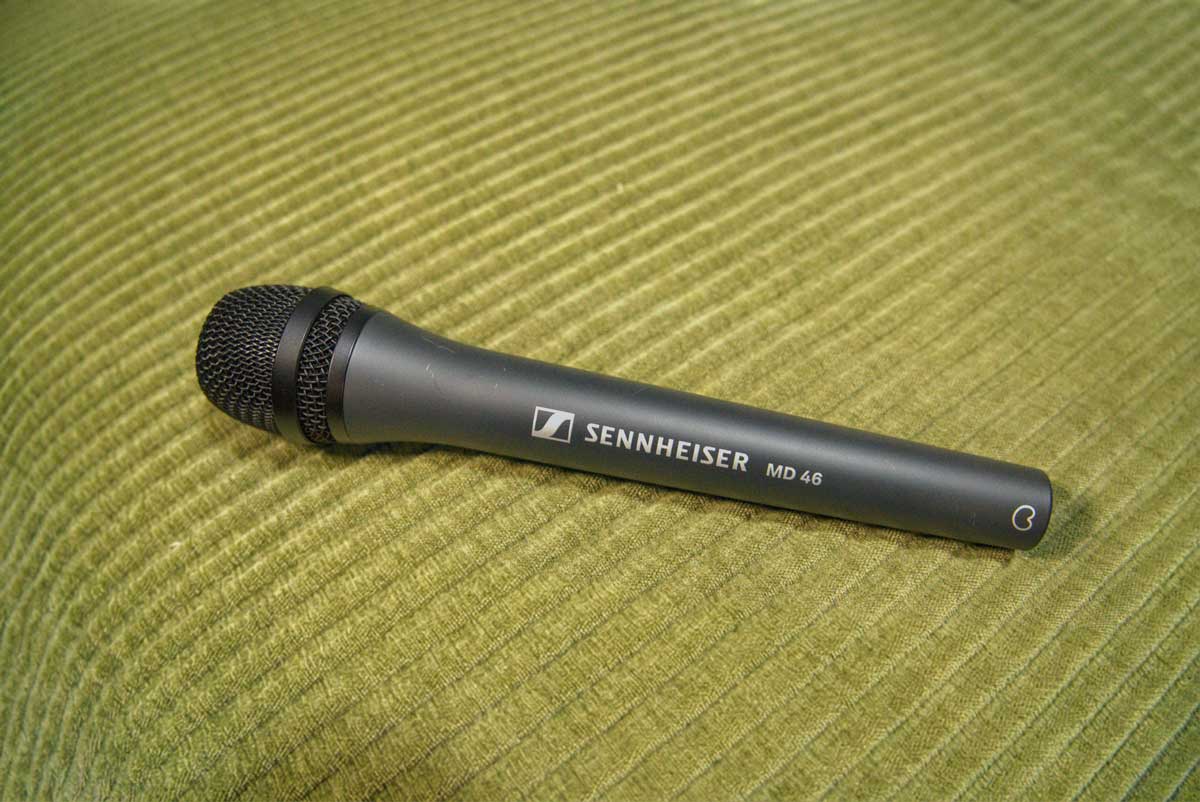
The same principle applies to conducting standard attendee interviews later in the evening. When using a dynamic handheld microphone like the Sennheiser MD46, which is excellent at rejecting background noise, a 24-bit recording environment is incredibly reliable. Because human speech in an interview setting generally falls within a predictable volume range, the massive headroom of 32-bit float is simply unnecessary.
The Lightning Bilt Approach to Audio Strategy
Professional video production is about matching the right tool and format to the specific environment. Lightning Bilt Creative Studio deploys 32-bit float as an acoustic safeguard for the unpredictable, explosive sounds of live bands and heavy machinery. But... we also still rely on the proven efficiency of standard 24-bit audio for controlled speeches and direct interviews. By understanding the strengths of both formats, we guarantee pristine audio quality across every scene.
Ready to bring your story to life? Let's talk!
Written By the Lightning Bilt Staff

Yo! Wordslingers by trade, creator enthusiasts!